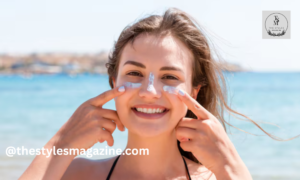
Summer Tanning: Your Ultimate Guide To A Safe, Sun-Kissed Glow
Ever wondered why your skin tans? That coveted summer glow is more than just a beauty trend—it's your body's complex, built-in defense mechanism against solar radiation. For decades, a bronzed complexion has been synonymous with health, vacation, and vitality. But in an age of heightened skin cancer awareness, how do we reconcile the desire for a tan with the imperative of skin safety? This comprehensive guide dives deep into the science, strategies, and safest practices for summer tanning. We'll move beyond old myths to explore how you can achieve a radiant, even tone while prioritizing your long-term skin health, whether you're basking on a beach or using the latest at-home innovations.
The Science Behind the Sun-Kissed Glow
Understanding Your Skin's Defense Mechanism: Melanin Production
A tan is fundamentally your skin's response to damage. When ultraviolet (UV) rays penetrate your epidermis, they injure the DNA in your skin cells. In reaction, your body produces more melanin, the pigment that gives your skin, hair, and eyes their color. Melanin acts as a natural sunscreen, absorbing UV radiation and dissipating it as heat, thereby offering a modest level of protection against further damage. This process, called melanogenesis, is why your skin darkens after sun exposure. It's crucial to understand that a tan, by definition, is a sign that your skin has been harmed. There is no such thing as a "safe" or "healthy" tan from UV radiation, as all tans involve DNA injury that can accumulate over time and increase skin cancer risk.
UVA vs. UVB: Knowing Your Rays
Not all ultraviolet light is created equal, and understanding the difference is critical for safe sun behavior.
- UVA rays have longer wavelengths and penetrate deep into the dermis, the skin's thickest layer. They are primarily responsible for skin aging (wrinkles, loss of elasticity) and contribute to tanning. UVA rays are consistent throughout the day and year and can pass through glass.
- UVB rays have shorter wavelengths and primarily affect the epidermis, the skin's outer layer. They are the chief cause of sunburn and are also a major contributor to skin cancer. UVB intensity varies by time of day, season, and location, peaking around midday.
Both UVA and UVB can damage your skin and compromise its immune function. Broad-spectrum sunscreens are designed to protect against both.
Your Skin Type Dictates Your Tanning Strategy
The Fitzpatrick Skin Type scale is the industry standard for classifying skin's reaction to UV exposure, ranging from Type I (very fair, always burns, never tans) to Type VI (deeply pigmented dark brown to black, rarely burns). Your type determines your baseline risk and how your skin will likely respond to sun.
- Types I-II: Have the least melanin and the highest risk for burning and skin cancer. They may struggle to tan and must be exceptionally cautious, using high SPF and limiting exposure.
- Types III-IV: May burn initially but can develop a tan. They still require diligent protection.
- Types V-VI: Have more natural protection from melanin but are still susceptible to damage, hyperpigmentation, and skin cancer, often diagnosed at later, more dangerous stages.
Knowing your type helps you set realistic expectations and tailor your sun protection strategy.
The Golden Rules: Preparation and Aftercare for a Flawless Tan
Pre-Sun Skin Prep: The Foundation of an Even Tan
The condition of your skin before sun exposure dramatically impacts the quality and longevity of your tan. Exfoliation is non-negotiable. Use a gentle chemical exfoliant like glycolic or lactic acid, or a physical scrub, 24-48 hours before tanning to slough off dead skin cells. This creates a smooth canvas, preventing patchiness and ensuring an even color. Follow with a hydrating, oil-free moisturizer. Well-hydrated skin tans more evenly and holds color longer. Avoid heavy oils or products that might create a barrier, as they can inhibit UV absorption and lead to streaking. For spray tanners, absolutely ensure skin is clean, dry, and moisturized, especially on elbows, knees, and ankles.
Post-Sun Rituals: Soothing, Hydrating, and Prolonging
After sun exposure, your skin needs rescue. The first step is a cool shower to rinse off salt, chlorine, and sweat, which can accelerate fading. Gently pat skin dry. Apply a generous layer of aloe vera gel or a rich, fragrance-free moisturizer to combat dryness and soothe any erythema (redness). For a UV-induced tan, using products with antioxidants like vitamin E or niacinamide can help calm inflammation and support skin barrier repair. To extend the life of your tan, continue moisturizing daily and consider using a gradual self-tanning lotion every few days to blend fading areas. Most importantly, stay hydrated by drinking plenty of water to maintain skin plumpness.
Exploring Your Tanning Options: From Natural to Synthetic
Traditional Sunbathing: Maximizing Safety
If you choose to tan outdoors, timing is everything. The sun's rays are strongest between 10 a.m. and 4 p.m. During these peak hours, seek shade or, if tanning, limit initial exposure to 10-15 minutes for fair skin, gradually increasing. Never burn. Always apply a broad-spectrum sunscreen with at least SPF 30 15 minutes before going outside, and reapply every two hours, and immediately after swimming or sweating. Use about an ounce (a shot glass full) for your entire body. Don't forget often-missed spots: ears, back of neck, tops of feet, and scalp (use spray or wear a hat). Consider using a reflective surface like a towel or foam to get an even back tan, but be mindful this also increases exposure.
Sunbeds: A Dangerous Myth
Indoor tanning is not a safe alternative. The concentrated UV radiation from sunbeds can be significantly more intense than midday summer sun. The World Health Organization classifies tanning beds as Group 1 carcinogens, the same category as tobacco and asbestos. Using a sunbed before age 35 increases your risk of melanoma by 75%. There is no "controlled" or "base tan" from a bed that provides meaningful protection; any tan from a bed is a sign of DNA damage. For your health, avoid sunbeds entirely.
Sunless Tanning: The Smart, Modern Glow
This is the safest way to achieve a tan with zero UV exposure. Options range from professional spray tans to at-home mousses, lotions, and wipes. The active ingredient is dihydroxyacetone (DHA), a sugar that reacts with amino acids in the dead layer of your skin, turning it brown. For best results:
- Exfoliate thoroughly beforehand.
- Apply in a cool, dry room using a mitt in circular motions.
- Wear loose clothing afterward and avoid sweating for 4-6 hours.
- Moisturize daily to maintain an even fade.
Pro Tip: For a natural look, choose a product 1-2 shades darker than your skin tone and apply lightly to the face, saving a darker formula for the body.*
Debunking Common Tanning Myths
"A Base Tan Prevents Sunburn and Skin Cancer"
This is perhaps the most pervasive and dangerous myth. A "base tan" from UV exposure provides, at best, an SPF of 3 or 4. This minimal protection is far less than a proper sunscreen and gives a false sense of security. The process of getting that base tan still causes cumulative DNA damage that contributes to skin cancer and photoaging. A sunscreen with SPF 30 blocks 97% of UVB rays; a base tan blocks about 25%. There is no comparison.
"Tanning is Healthy Because It Produces Vitamin D"
While UVB rays do trigger Vitamin D synthesis in the skin, you do not need to tan or burn to get adequate Vitamin D. Just 10-30 minutes of midday sun exposure on the arms and face, a few times a week, is sufficient for most people. After that, your body reaches an equilibrium and any further exposure only causes damage. Moreover, Vitamin D is easily obtained through diet (fatty fish, fortified foods) and supplements, which is a far safer source. Never use tanning as a justification for Vitamin D.
"You Can't Get Burned on a Cloudy Day"
Up to 80% of UV rays can penetrate through clouds. On overcast days, you may not feel the heat, but UVA rays are still present and can cause significant damage and tanning. This often leads to more prolonged, unprotected exposure because the lack of heat is misleading. Sun protection is a daily habit, regardless of the weather.
The Unavoidable Health Risks of UV Exposure
The Link to Skin Cancer
UV radiation is the primary environmental cause of skin cancer. Basal cell carcinoma (BCC) and squamous cell carcinoma (SCC) are the most common, often linked to cumulative lifetime exposure. Melanoma, the deadliest form, is strongly associated with intense, intermittent UV exposure (like blistering sunburns) and is the most common cancer in young adults. The Skin Cancer Foundation reports that more people are diagnosed with skin cancer in the U.S. each year than all other cancers combined. The risk is cumulative; every tan and burn adds to your lifetime dose.
Premature Aging (Photoaging)
UVA rays are the chief culprit behind photoaging—the premature wrinkling, sagging, leathering, and spotting of the skin. They penetrate deep into the dermis, breaking down collagen and elastin, the proteins that keep skin firm and supple. This results in deep wrinkles, a loss of skin tone, and a rough texture. Studies show that UV exposure is responsible for up to 90% of visible signs of aging. A tan today can mean profound wrinkles and sun spots a decade later.
Eye Damage and Immune Suppression
Your eyes are also vulnerable. Prolonged UV exposure can lead to cataracts (clouding of the eye's lens), pterygium (growth on the eye), and snow blindness. Always wear sunglasses with 100% UVA/UVB protection. Furthermore, UV radiation can suppress your skin's local immune system, reducing its ability to repair damaged cells and fight off pathogens, potentially increasing susceptibility to infections and reducing skin cancer surveillance.
Nourish Your Glow from Within: The Role of Diet
While no food can replace sunscreen, a diet rich in antioxidants can help fortify your skin's defenses against UV-induced free radical damage. These compounds can provide a small, supplementary level of photoprotection and support skin health.
- Lycopene (found in cooked tomatoes, watermelon, pink grapefruit) may help protect against UV-induced erythema.
- Beta-carotene (in carrots, sweet potatoes, spinach) converts to Vitamin A in the body and is associated with improved photoprotection.
- Polyphenols in green tea, dark chocolate, and berries have potent anti-inflammatory and antioxidant properties.
- Omega-3 fatty acids (in fatty fish, flaxseeds, walnuts) can help reduce inflammation in the skin.
- Vitamin C (citrus fruits, bell peppers, broccoli) is crucial for collagen synthesis and is a powerful antioxidant.
Think of these foods as building blocks for resilient skin, not as a substitute for topical SPF. A balanced, colorful diet supports your skin's overall health and repair mechanisms.
Achieving and Maintaining Your Tan Year-Round
Strategic Sun Exposure for a Subtle, Lasting Tone
If your goal is a gentle, long-lasting warmth rather than a deep bronze, adopt a minimalist approach. Aim for short, regular periods of sun exposure (e.g., 15 minutes daily on the face and arms) outside of peak hours (before 10 a.m. or after 4 p.m.). Always follow with antioxidant serum and moisturizer with SPF. This low-dose, consistent stimulation can encourage a slow, steady melanin production that fades gradually and evenly, avoiding the dramatic burn-and-fade cycle.
The Art of the Gradual Tanner
For consistent color through fall and winter, incorporate a gradual self-tanning product into your routine 2-3 times per week. These lotions or mists contain a low concentration of DHA, allowing you to build color slowly and naturally. Apply after showering on clean, exfoliated skin. Focus on areas that get the most sun in summer (face, décolletage, arms) to maintain a believable, all-over tone. It's the perfect way to "trick" the eye into thinking you've had a weekend getaway.
Maintaining Your Summer Glow Through Fall
As your natural or self-applied tan begins to fade, combat patchiness with a two-pronged approach: intense hydration and color extension. Use a hydrating mask once a week and switch to a richer body butter. Introduce a tinted moisturizer or body makeup for special occasions to even out fading. Most importantly, do not seek out damaging UV exposure to maintain color. The health risks far outweigh the aesthetic benefit. Embrace the natural change of seasons; a lighter, healthy glow is always in style.
Conclusion: Redefining the Summer Glow
The pursuit of a summer tan is deeply ingrained in our culture, but it's time to redefine what that glow truly means. It should signify vitality, confidence, and—above all—skin health. The science is unequivocal: any tan from UV radiation is a sign of damage that contributes to premature aging and increases skin cancer risk. The safest and smartest approach is to embrace sunless tanning as your primary method for achieving a bronzed look. If you do enjoy natural sunlight, do so with extreme respect: seek shade during peak hours, apply and reapply broad-spectrum SPF 30+ liberally, and know your skin's limits. Nourish your skin from within with a antioxidant-rich diet and commit to diligent after-sun care. By making informed, protective choices, you can enjoy a beautiful, sun-kissed appearance all season long while safeguarding your skin's long-term health and beauty. The most radiant glow is one that comes from confidence in your healthy, well-cared-for skin.