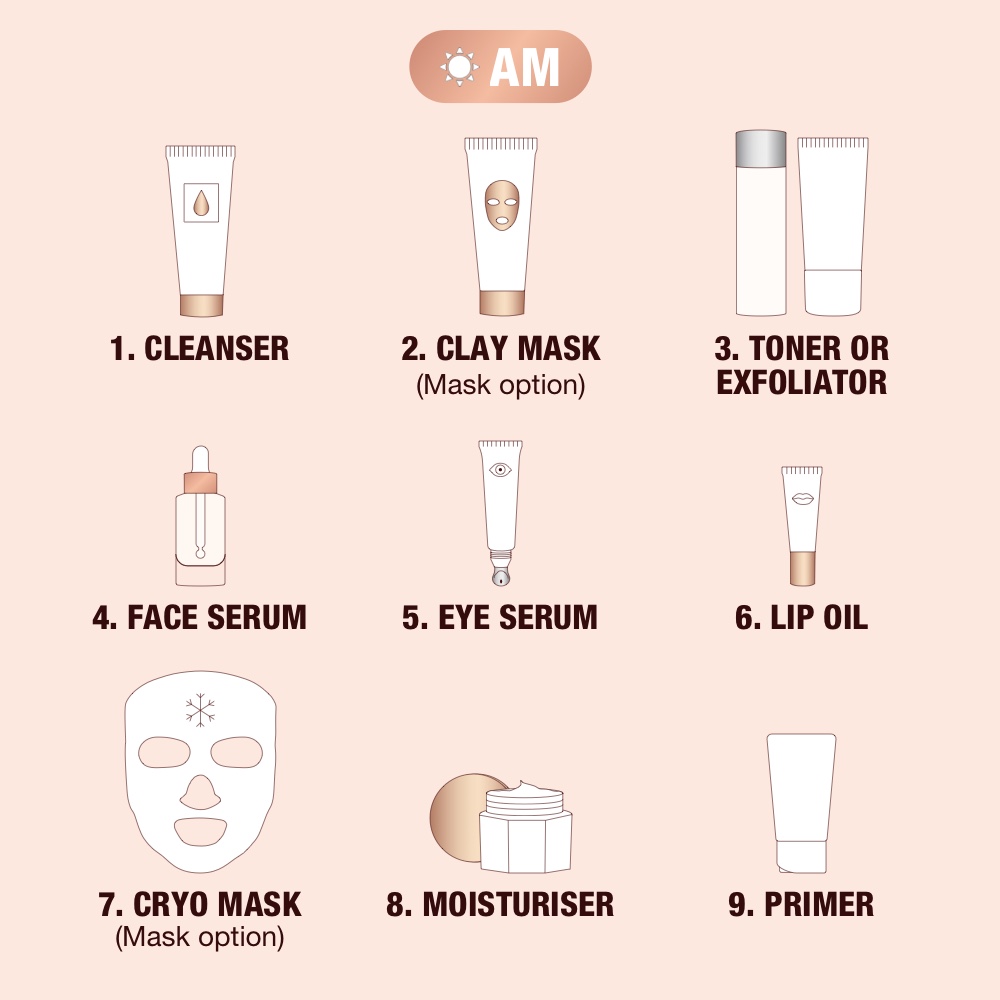
The Ultimate Skincare Routine: Your Step-by-Step Guide To Glowing, Healthy Skin
What if the secret to radiant, confident skin isn’t a magic product, but a consistent, personalized skincare routine? In a world flooded with serums, creams, and conflicting advice, building an effective regimen can feel overwhelming. Yet, a well-structured daily skincare practice is the single most powerful tool you have for achieving and maintaining a healthy complexion. This comprehensive guide dismantles the complexity, walking you through every essential step with science-backed explanations and actionable tips. Whether you’re a beginner or looking to refine your existing process, you’ll learn how to curate a routine that truly works for your unique skin.
1. Know Your Skin Type: The Foundation of Any Effective Routine
Before purchasing a single product, you must understand your skin’s fundamental nature. Using a routine designed for oily skin on dry, sensitive skin will lead to frustration, irritation, and counterproductive results. Your skin type dictates which ingredients will help or harm you. There are five primary categories: normal (balanced, no severe sensitivities), oily (excess sebum, prone to shine and acne), dry (flaky, tight, dull), combination (oily in T-zone, dry elsewhere), and sensitive (reacts with redness, stinging, or breakouts).
To determine your type, cleanse your face with a gentle cleanser, pat dry, and wait one hour without applying any products. Observe how your skin feels and looks. If it feels tight and looks flaky, you’re likely dry. If it shines uniformly, you’re oily. If only your forehead, nose, and chin (the T-zone) are shiny while cheeks feel normal or dry, you have combination skin. For sensitivity, consider your history—do certain products consistently cause reactions? You can also consult a dermatologist for a professional assessment. This self-awareness is your roadmap; it prevents wasted money and protects your skin barrier from unnecessary damage.
2. Cleanse Gently but Thoroughly: The Non-Negotiable First Step
Cleansing is the bedrock of any skincare routine. Its purpose is to remove impurities—dirt, sweat, pollutants, excess oil, and makeup—without stripping your skin’s natural protective barrier. A compromised barrier leads to dryness, irritation, and increased sensitivity. The cardinal rule is to cleanse twice daily: once in the morning to remove overnight sweat and oils, and once at night to dissolve the day’s grime and makeup.
Morning vs. Evening Cleansing: Your AM cleanse should be gentle, often with just water or a mild, hydrating cleanser. Your PM cleanse is more intensive, especially if you wear makeup or sunscreen. This is where the concept of double cleansing shines for many. First, use an oil-based cleanser or micellar water to dissolve oil-soluble impurities (makeup, sunscreen, sebum). Second, follow with a water-based cleanser to remove any remaining residue and deeply clean the pores. This two-step method ensures a truly clean canvas without harsh scrubbing.
Choosing the Right Cleanser: Match your cleanser to your skin type.
- Oily/Acne-Prone: Look for gel or foaming cleansers with salicylic acid or tea tree oil.
- Dry/Sensitive: Opt for cream or lotion cleansers with ceramides, glycerin, or panthenol.
- Combination: A gentle, balancing gel-cream hybrid often works best.
- Normal: Most formulations will suit you; focus on maintaining balance.
Always use lukewarm water, as hot water can be drying and irritating.
3. Exfoliate Strategically: Reveal Fresh Skin Without Overdoing It
Exfoliation is the process of removing dead skin cells from the surface of your skin. This reveals the brighter, smoother skin underneath, improves texture, helps prevent clogged pores, and allows other products to penetrate more effectively. However, over-exfoliation is one of the most common skincare mistakes, leading to a damaged barrier, redness, and increased oil production as your skin tries to compensate.
There are two main types:
- Physical Exfoliants: Scrubs with granules or tools like konjac sponges. They manually slough off dead cells. Use extreme gentleness; harsh scrubbing causes micro-tears.
- Chemical Exfoliants: Acids or enzymes that dissolve the “glue” holding dead cells together. This is generally more effective and uniform.
- AHAs (Alpha Hydroxy Acids), like glycolic or lactic acid, are water-soluble and work on the skin’s surface, ideal for dry, dull skin and hyperpigmentation.
- BHAs (Beta Hydroxy Acids), like salicylic acid, are oil-soluble and penetrate into pores, making them perfect for oily, acne-prone skin.
- PHAs (Polyhydroxy Acids) are gentler, suitable for sensitive skin.
How Often? Start slow. For most, 1-3 times per week is sufficient. Never exfoliate on the same day as using strong actives like retinoids. Always follow with sunscreen, as exfoliated skin is more photosensitive.
4. Tone with Purpose: Balancing and Prepping Your Skin
The role of a toner has evolved dramatically. Gone are the days of harsh, alcohol-based astringents that stripped the skin. Modern toners are hydrating, soothing, and pH-balancing liquids applied after cleansing to remove any last traces of impurities and prepare the skin to better absorb subsequent treatments.
Think of toner as a hydration booster and a primer for your serums. For dry or sensitive skin, look for toners with hyaluronic acid, glycerin, rose water, or centella asiatica. For oily or acne-prone skin, seek out toners with niacinamide (regulates sebum, minimizes pores), witch hazel (a gentle astringent), or salicylic acid. Apply by patting it into your skin with clean hands or a cotton pad—don’t rub. This step ensures your skin is optimally receptive to the active ingredients in your treatment serums.
5. Treat with Serums: Targeted Solutions for Specific Concerns
Serums are the powerhouses of your skincare routine. These lightweight, fast-absorbing liquids are packed with high concentrations of active ingredients designed to address specific concerns like dark spots, fine lines, dehydration, or acne. They should be applied after toning and before moisturizing to allow for maximum penetration.
Here are the key serum categories:
- Vitamin C (L-Ascorbic Acid): The ultimate antioxidant. It brightens dull skin, fades hyperpigmentation, and protects against environmental damage from UV rays and pollution. Use it in your morning routine under sunscreen for a powerful defense boost.
- Hyaluronic Acid: A hydration magnet that can hold up to 1,000 times its weight in water. It plumps skin, smooths fine lines, and suits all skin types. Apply to damp skin for best results.
- Retinoids (Retinol, Retinaldehyde, Prescription Tretinoin): The gold standard for anti-aging and acne. They increase cell turnover, boost collagen production, and clear clogged pores. Start low and slow (2-3 times a week at night) to build tolerance. Never use retinoids and Vitamin C in the same routine; alternate nights.
- Niacinamide (Vitamin B3): A versatile multitasker. It regulates oil, minimizes pore appearance, strengthens the skin barrier, and reduces redness. It plays well with almost every other ingredient.
- Peptides: Chains of amino acids that signal the skin to produce more collagen, leading to firmer, smoother skin over time.
Layer serums from thinnest to thickest consistency. If using multiple actives, be cautious of potential irritation. A simple rule: alternate potent actives (like retinoids and AHAs/BHAs) on different nights.
6. Moisturize to Seal the Deal: Locking in Hydration
Moisturizer’s primary job is to hydrate the skin and seal in all the beneficial ingredients from your previous steps. It reinforces your skin barrier, preventing water loss and protecting against irritants. Even oily skin needs moisturizer—skipping it can trick your skin into producing more oil to compensate for dehydration.
Choose based on your skin type and the season:
- Oily Skin: Opt for oil-free, gel-based, or water-based moisturizers labeled “non-comedogenic.” Look for ingredients like niacinamide or hyaluronic acid.
- Dry Skin: Reach for richer creams or balms containing ceramides, shea butter, squalane, or fatty acids.
- Combination Skin: A lightweight lotion or a gel-cream hybrid works well. You can also use a lighter moisturizer all over and apply a richer cream only to dry areas.
- Sensitive Skin: Seek out simple, fragrance-free formulas with colloidal oatmeal, ceramides, and panthenol to soothe and repair.
Apply to slightly damp skin to lock in water. Don’t forget your neck and décolletage!
7. Never Skip Sunscreen: Your Ultimate Anti-Aging Shield
This is the most critical step in any anti-aging and skin-health skincare routine. Sunscreen protects your skin from the sun’s harmful ultraviolet (UV) rays—UVA (aging) and UVB (burning). Daily, broad-spectrum sunscreen use is the single most effective way to prevent premature wrinkles, sun spots, loss of elasticity, and skin cancer. According to the Skin Cancer Foundation, regular daily use of SPF 30+ sunscreen can reduce your risk of squamous cell carcinoma by about 40% and your risk of melanoma by 50%.
Apply a nickel-sized amount for your face and neck every single morning, even if it’s cloudy or you’re indoors (UVA rays penetrate windows). Reapply every two hours if you’re outdoors, sweating, or swimming. Choose a broad-spectrum formula with at least SPF 30. For daily wear under makeup, many prefer lightweight, non-greasy chemical or hybrid sunscreens. Mineral (physical) sunscreens with zinc oxide or titanium dioxide are excellent for sensitive skin but can sometimes leave a white cast. Make it a non-negotiable final step in your AM routine.
8. Don’t Neglect the Eye Area: Special Care for Delicate Skin
The skin around your eyes is the thinnest on your body, making it the first to show signs of aging, fatigue, and dehydration. While you can use your regular moisturizer here if it’s gentle and non-irritating, an eye cream is formulated with specific concerns in mind: reducing puffiness, diminishing dark circles, and smoothing fine lines (crow’s feet).
Look for ingredients like caffeine (constricts blood vessels to reduce puffiness), peptides (stimulate collagen), retinoids (for advanced aging, use cautiously), vitamin K (may help with dark circles), and hyalururonic acid (for hydration). Apply a pea-sized amount for both eyes using your ring finger (it applies the least pressure) by gently patting the product along the orbital bone, not directly on the mobile eyelid.
9. Consistency is Key: Building Habits That Last
The most elaborate skincare routine is useless if you don’t stick to it. Skin cell turnover takes about 28 days, so you need to give any new product or regimen at least 4-6 weeks to see visible results. Consistency beats intensity. It’s better to have a simple, three-step routine you do every day than a complicated ten-step routine you abandon after a week.
Tips for Building Consistency:
- Start Simple: Master the basics—cleanse, moisturize, sunscreen—before adding actives.
- Pair with an Existing Habit: Do your routine right after brushing your teeth or before bed.
- Keep Products Visible: Store them where you’ll see them.
- Track Your Progress: Take a photo once a month under the same lighting to see subtle changes.
- Listen to Your Skin: If a product causes persistent stinging, redness, or breakouts, discontinue use. Your routine should serve your skin, not the other way around.
10. Inside-Out Beauty: How Diet and Lifestyle Impact Your Skin
Your topical skincare routine works hand-in-hand with your overall health. No product can fully counteract a poor diet, chronic stress, or lack of sleep. For truly glowing skin, support your routine from within:
- Hydration: Drink adequate water throughout the day. Dehydrated skin looks dull and feels tight.
- Nutrition: Focus on a balanced diet rich in antioxidants (berries, leafy greens), healthy fats (avocado, nuts, fatty fish), and vitamins (A, C, E). Limit high-glycemic foods (sugar, refined carbs) and dairy if you notice they trigger acne.
- Sleep: During deep sleep, your body repairs cells, including skin cells. Aim for 7-9 hours per night to reduce cortisol (the stress hormone) and prevent a dull, puffy complexion.
- Stress Management: Chronic stress increases inflammation and oil production. Incorporate mindfulness, exercise, or hobbies you enjoy.
- Avoid Smoking & Excess Alcohol: Both accelerate skin aging and deplete nutrients.
11. When to Seek Professional Help: Dermatologists and Estheticians
While a solid at-home skincare routine can address many concerns, certain issues require expert intervention. See a board-certified dermatologist if you experience:
- Severe, persistent acne or cystic breakouts.
- Sudden, unexplained rashes, redness, or itching.
- Suspicious moles or skin growths (ABCDE rule: Asymmetry, Border irregularity, Color variation, Diameter >6mm, Evolving).
- Skin conditions like eczema, psoriasis, or rosacea that aren’t responding to OTC products.
An esthetician can be a valuable partner for maintenance, offering professional extractions, facials, and advice on product usage. They can also help you understand how to layer products correctly. Remember, professionals can provide prescription-strength treatments (like topical retinoids, antibiotics, or oral medications) that are far more potent than anything available over the counter.
Conclusion: Your Skin, Your Rules
Building the perfect skincare routine is not about chasing trends or accumulating dozens of products. It’s a personal journey of understanding your skin’s unique language and responding with consistent, science-backed care. Start with the non-negotiables: a gentle cleanser, a reliable moisturizer, and daily sunscreen. Then, thoughtfully introduce one treatment serum at a time to address your specific goals. Be patient, be gentle, and be observant. Your skin is a living organ that reflects your overall health, so treat it with the holistic respect it deserves. By mastering these fundamental steps and adapting them to your needs, you empower yourself to achieve the healthy, resilient, and glowing skin you’ve always wanted.