Bronze Skin: Your Ultimate Guide To Achieving A Healthy, Sun-Kissed Glow
Have you ever wondered why that perfect, sun-kissed glow seems to make everyone look healthier, more confident, and effortlessly radiant? The allure of bronze skin is undeniable, a timeless symbol of vitality and warmth that transcends seasons and trends. But achieving that coveted hue isn't just about spending hours under the sun; it's a nuanced journey involving science, skincare, and smart choices. Whether you're dreaming of a natural tan from a beach vacation or a flawless, year-round bronze from a bottle, understanding the fundamentals is key to getting it right—and more importantly, getting it safely. This guide will walk you through everything you need to know about bronze skin, from its biological basis to the best practices for achieving and maintaining it without compromising your skin's long-term health.
What Exactly Is Bronze Skin? The Science Behind the Glow
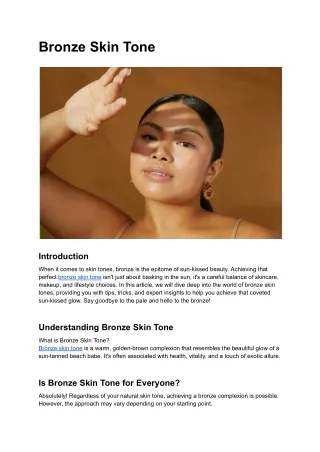
Before diving into the "how," it's crucial to understand the "what." Bronze skin isn't a one-size-fits-all descriptor. It refers to a skin tone that appears warmer, darker, and often with golden or olive undertones compared to one's natural complexion. This effect is primarily caused by an increase in melanin, the pigment produced by skin cells called melanocytes in response to UV radiation (from the sun or tanning beds) or, in the case of self-tanning products, by a chemical reaction on the skin's surface.
The depth and shade of bronze can vary dramatically. For a fair-skinned individual, bronze might be a subtle, golden hue. For those with medium or olive complexions, it can mean a rich, deep, caramel or copper tone. The goal is to enhance your natural undertones, not mask them entirely. A successful bronze should look like your skin, just warmed up and illuminated. It’s the difference between looking like you’ve been on a relaxing holiday versus looking like you’re wearing a muddy mask. The most flattering bronze complements your natural coloring, making your eyes pop and your smile appear brighter.
The Two Paths to Bronze: Natural Tanning vs. Self-Tanning
There are fundamentally two ways to achieve bronze skin, each with its own set of rules, risks, and rewards. Understanding these paths is the first step toward making informed decisions for your skin's health and beauty.
Natural Tanning (UV Exposure): This is the body's natural defense mechanism. When UV rays hit your skin, they trigger melanocytes to produce more melanin, which absorbs the radiation and helps protect deeper skin layers. The result is a tan. However, any tan is a sign of skin damage. According to the Skin Cancer Foundation, there is no such thing as a safe tan from UV radiation. Cumulative exposure is the primary cause of premature aging (wrinkles, sun spots, loss of elasticity) and is the leading cause of skin cancer, including melanoma. While a natural tan can look incredibly vibrant and even, the long-term cost is simply too high. If you choose this path, strict sun protection is non-negotiable, which ironically works against developing a deep tan.
Self-Tanning (DHA-Based Products): This is the safe, modern, and recommended route to bronze skin. Self-tanners use a colorless sugar called Dihydroxyacetone (DHA) that reacts with the amino acids in the dead layer of your skin's surface (the stratum corneum). This reaction, known as the Maillard reaction (the same process that browns food), creates temporary pigments called melanoids that give the skin a tanned appearance. The color develops over 2-4 hours and lasts about 5-7 days, fading as your skin naturally exfoliates. The key advantage is that it provides the look without any UV damage. The challenge lies in application technique to avoid streaks, orange tones, or patchiness.
How to Achieve Flawless Bronze Skin: A Step-by-Step Guide
Now, let's get practical. Achieving a beautiful, even bronze, especially with self-tanners, is a process that rewards preparation and patience. Rushing leads to disaster. Think of it as a skincare ritual, not a quick fix.
Step 1: Exfoliate, Exfoliate, Exfoliate
This is the single most important step for an even, long-lasting tan. Exfoliation removes dead skin cells, creating a smooth canvas. Rough, dry patches will absorb more self-tanner and turn darker, while moisturized areas might resist, leading to a patchy effect.
- When: 24 hours before application.
- How: Use a physical scrub (with gentle beads or a loofah) or a chemical exfoliant (like a lactic or glycolic acid body wash or lotion) in the shower. Pay special attention to elbows, knees, ankles, and wrists—areas that tend to be drier and darker.
- Pro Tip: After exfoliating, shower with warm (not hot) water and pat skin completely dry. Any residual moisture can dilute the product.
Step 2: Moisturize Strategically
After exfoliating and drying, apply a light, oil-free moisturizer to very dry areas like elbows, knees, and the tops of your feet. This creates a barrier that prevents these areas from going overly dark. Avoid thick creams or oils on large areas, as they can block the DHA from developing color evenly. Let the moisturizer absorb fully for 15-20 minutes before applying tanner.
Step 3: Choose Your Weapon: Types of Self-Tanners
The market is saturated, so knowing the formats helps:
- Mousses & Lotions: The most beginner-friendly. They spread easily, dry quickly, and are easy to blend. Look for formulas with added skincare benefits like hyaluronic acid or antioxidants.
- Sprays: Great for hard-to-reach areas like the back. Can be tricky to control; practice on a small area first and use a sweeping, circular motion.
- Tanning Drops: Highly customizable. You mix a few drops into your daily moisturizer or body lotion, allowing you to build color gradually and control the intensity. Perfect for face and for those who hate the smell of traditional tanners.
- Wipes & Tissues: Good for quick fixes or blending streaks but not ideal for full-body application.
- Professional Spray Tan: The gold standard for an even, full-body tan. A technician uses a high-volume, low-pressure gun for a flawless finish. It's more expensive but worth it for special events.
Step 4: Application Technique is Everything
- Work in sections: Arm, then leg, then torso. Apply in long, sweeping motions, using about a golf ball-sized amount for each limb.
- Blend, blend, blend: At joints (wrists, ankles, knees), use less product and blend outward in circular motions to avoid buildup.
- Use a tanning mitt: Always, always use a tanning mitt (a special textured glove). It prevents your palms from turning orange, ensures even distribution, and creates a smoother finish. Wash it with cold water and mild soap after use.
- Don't forget: The tops of your feet, your neck (blend into your hairline and décolletage), and your ears. For the face, use a product specifically designed for the face or tanning drops mixed with your nighttime moisturizer. Avoid the immediate eye area and lips.
- Wait: Wear loose, dark clothing for at least 4-8 hours (or as directed) after application to avoid transfer. Avoid sweating, showering, or getting wet during this development time.
Step 5: Maintain and Prolong Your Bronze
Your bronze skin will fade as your skin cells shed. To keep it looking fresh:
- Moisturize daily: Use a hydrating, oil-free lotion to prevent dry patches. This is the #1 secret to extending your tan.
- Gentle exfoliation: 3-4 days after application, do a very gentle scrub or use a konjac sponge in the shower to remove patchy areas and create an even canvas for touch-ups.
- Touch-up products: Keep a gradual self-tanner lotion or tanning wipes on hand to refresh color on areas that fade faster, like hands, face, and décolletage.
- Shower wisely: Use lukewarm water and avoid harsh soaps. Pat dry instead of rubbing.
Essential Skincare for Bronze Skin: Protection and Nourishment
Achieving bronze is one thing; keeping your skin healthy beneath and around it is another. A common misconception is that a tan provides significant sun protection. In reality, a self-tan offers an SPF of about 2-4, which is negligible. A natural tan provides an SPF of only 2-4 at best. You must still use broad-spectrum SPF 30+ every single day.
The Daily Non-Negotiable: Sunscreen
- Apply sunscreen as the last step in your morning skincare routine, over any serums and moisturizers, but under makeup.
- Reapply every 2 hours if outdoors, and immediately after swimming or sweating.
- For your body, consider a sunscreen specifically for tanned skin. Some are tinted to blend better with a bronze glow and won't leave a white cast.
- Don't skip often-missed spots: ears, tops of feet, back of neck, and lips (use an SPF lip balm).
Hydration is Key
Bronze skin, especially from self-tanners, can sometimes feel dry. Counteract this with intense hydration:
- Internal Hydration: Drink plenty of water throughout the day.
- External Hydration: Use serums with hyaluronic acid and moisturizers with ceramides or squalane. Apply these after your self-tanner has fully developed and washed off (typically 8+ hours post-application).
The Role of Diet and Supplements
While no food will give you a tan, certain nutrients support skin health and may enhance your glow:
- Beta-Carotene: Found in carrots, sweet potatoes, and spinach, it can slightly warm skin tone over time.
- Lycopene: In tomatoes and watermelon, may offer some UV protection.
- Antioxidants: Vitamins C and E help fight free radical damage from any incidental sun exposure.
- Important Note:Do not take tanning pills (like beta-carotene supplements in high doses). They can cause permanent skin discoloration (carotenemia) and are not FDA-approved for tanning.
Debunking Bronze Skin Myths: What You Really Need to Know
Let's clear up some persistent confusion surrounding bronze skin.
Myth 1: "A base tan will protect me from sunburn."
- Fact: A base tan from UV exposure provides an SPF of about 2-4. This blocks only about 50-75% of UVB rays. You can and will still burn, and you're still accumulating UVA damage, which penetrates deeper and causes aging and cancer. A base tan is not a substitute for sunscreen.
Myth 2: "Self-tanners are bad for your skin."
- Fact: Modern DHA is FDA-approved for topical use. The primary risk is irritation or allergic reaction, which is why a patch test 24 hours before full application is crucial. The "orange" look comes from poor application, low-quality products, or using too much product on dry skin. High-quality self-tanners with good skincare ingredients are perfectly safe for regular use.
Myth 3: "Bronze skin is only for certain skin tones."
- Fact: Anyone can achieve a beautiful bronze! The key is choosing the right shade. Fair skin looks stunning with a light, golden bronzer or a subtle self-tanner. Deep skin tones can rock rich, copper, or chocolate-based bronzers and tanners. The goal is enhancement, not transformation. Test on a small area to find your perfect match.
Myth 4: "You can't get vitamin D with sunscreen or self-tanning."
- Fact: This is partially true but often overstated. You can get adequate vitamin D from a few minutes of incidental sun exposure on your face and arms a few times a week, or more reliably from dietary sources (fatty fish, fortified foods) and supplements. Sacrificing your skin's health for vitamin D is not a wise trade-off.
Celebrating Bronze Skin: A Historical and Cultural Perspective
The desire for bronze skin has a fascinating history. In ancient civilizations like Egypt, both men and women used plant-based oils and minerals to darken and protect their skin. In the 1920s, Coco Chanel famously returned from a cruise with a tan, making sunbathing a symbol of leisure, wealth, and freedom—a stark contrast to the pale skin that had signified indoor, aristocratic life for centuries. This trend solidified in the mid-20th century with the rise of sunbathing culture and iconic images like Brigitte Bardot on the French Riviera.
Today, the meaning has evolved again. While a tan is still associated with health and vacation, there's a powerful and growing movement towards skin health as the ultimate beauty standard. The "no-makeup" makeup look often includes a subtle, natural-looking bronze achieved with minimal makeup or safe self-tanning. It’s about looking like you have a healthy, active lifestyle, not like you've baked in the sun. This shift empowers us to achieve the aesthetic we love through safer, smarter methods.
Your Bronze Skin Toolkit: Recommended Products and Ingredients
Building your arsenal with the right products makes all the difference. Here’s a breakdown by category:
- For Face:
- Gradual Tanner/Moisturizer Combo: (e.g., Jergens Natural Glow for Face, Clarins Radiance-Plus Golden Glow Booster). Builds color slowly, minimizes error.
- Tanning Drops: (e.g., Isle of Paradise, Tan-Luxe). Mix with your serum or moisturizer for ultimate control.
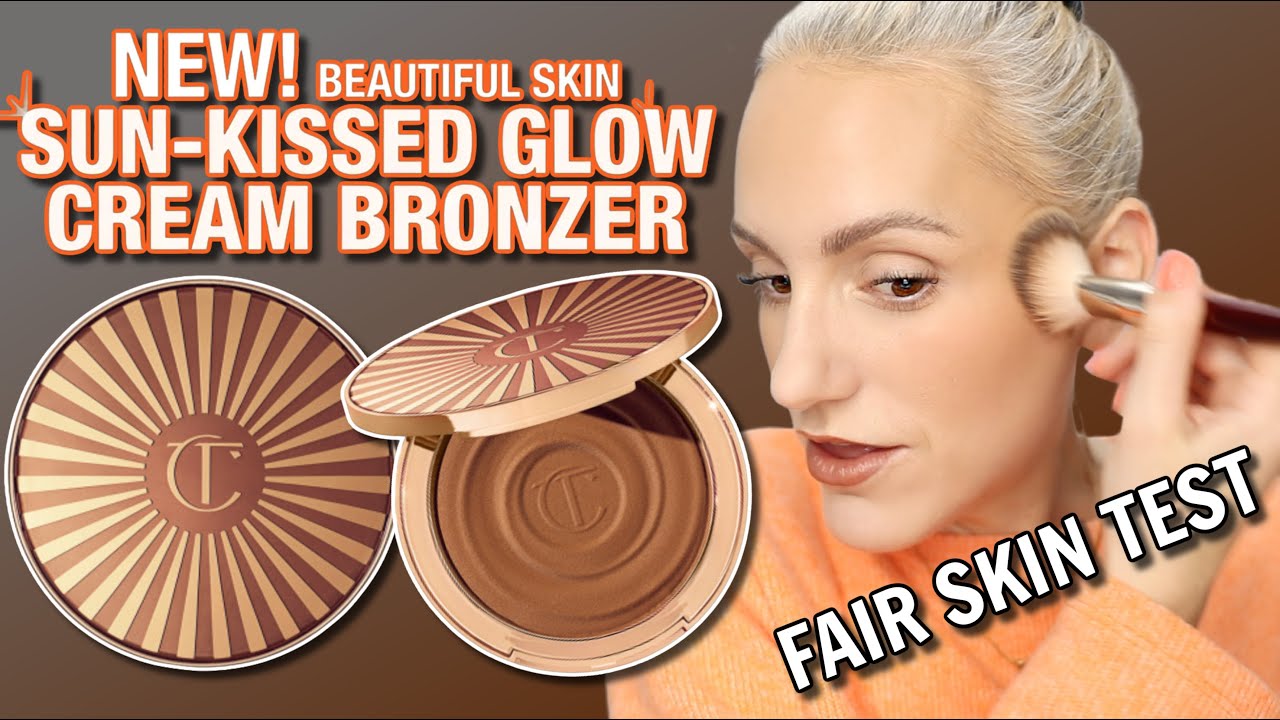
- Bronzers (Makeup): For instant, washable color. Look for matte bronzers for contouring and shimmer bronzers for a lit-from-within glow. Brands like Benefit (Hoola), Fenty Beauty (Sun Stalker), and Hourglass (Ambient Lighting Bronzer) are cult favorites.
- For Body:
- Best Mousse: St. Tropez Self Tan Classic Mousse is known for its natural, olive-based color that suits most skin tones.
- Best for Sensitive Skin: Vita Liberata pHenomenal 2-3 Week Tan is an organic, odorless option.
- Best Spray Tan: A professional spray tan booth (like Mystic Tan) or a high-quality at-home aerosol like Bondi Sands.
- Essential Tools:
- A High-Quality Tanning Mitt: (e.g., Tan-Luxe, St. Tropez). Never use bare hands.
- A Long-Handled Back Brush: For applying to your own back.
- Exfoliating Gloves or Pads: For prep and maintenance.
- Key Ingredients to Look For:
- In Self-Tanners: DHA (obviously), erythrulose (for a longer-lasting, more natural fade), and skincare boosters like hyaluronic acid, vitamin E, aloe vera, and antioxidants.
- In After-Care: Ceramides, shea butter, squalane, and glycerin for deep hydration.
Frequently Asked Questions About Bronze Skin
Q: How long does a self-tan last?
A: Typically 5-7 days with proper maintenance. The color fades as your skin naturally exfoliates. Using a gradual tanner a few times a week can extend the life of your tan.
Q: Can I shave or wax after getting a self-tan?
A: Wait at least 24 hours after application. Shaving or waxing exfoliates the skin and will remove the top layer of color, causing patchiness. It's best to do these before your tanning session.
Q: My self-tan turned orange! What happened?
A: This is usually due to: 1) Using a product with too much DHA for your skin tone, 2) Applying on dry, un-exfoliated skin, 3) Using an old or oxidized product, or 4) Leaving it on for too long before showering. Always do a patch test and follow development times precisely.
Q: How do I fix streaks or patches?
A: For minor streaks, use a tan remover wipe or a paste of baking soda and water on a washcloth to gently buff away the excess. For larger patches, it's often best to exfoliate the area gently and reapply a thin layer of tanner just to that spot.
Q: Is it safe to self-tan my face?
A: Yes, but use a product formulated for the face. The skin on your face is thinner and more sensitive. Facial self-tanners are typically lower in DHA and include skincare ingredients. Avoid the immediate eye area and lips.
Q: Can I use regular body self-tanner on my face?
A: It's not recommended. Body formulas are often stronger and can cause breakouts or irritation on the delicate facial skin. Stick to face-specific products.
The Final Takeaway: Embrace the Glow, Respect the Skin
The pursuit of bronze skin is ultimately about enhancing your natural beauty and feeling confident in your own skin—quite literally. The landscape has changed from one of risky sun worship to one of empowered, educated choice. The most radiant bronze you can achieve is one that comes from healthy, well-cared-for skin. Whether you opt for a professional spray tan, a trusted at-home mousse, or a subtle bronzing powder, the principles remain the same: prepare meticulously, apply skillfully, moisturize relentlessly, and protect with sunscreen daily.
Remember, your skin is your largest organ and your lifelong companion. A temporary tan is not worth permanent damage. By choosing UV-free tanning methods and integrating them into a robust skincare routine, you get all the aesthetic benefits—the warmth, the glow, the sun-kissed look—without the devastating risks. So go ahead, achieve that perfect bronze. But let it be a testament to your skincare savvy, not a compromise of your skin's future health. That true, inner glow, supported by smart habits, is the most beautiful radiance of all.
![Sun Kissed Skin Tone: Skincare Routine [Makeup & Product]](https://skintoneinfo.com/wp-content/uploads/2024/07/i2-1-300x168.webp)

