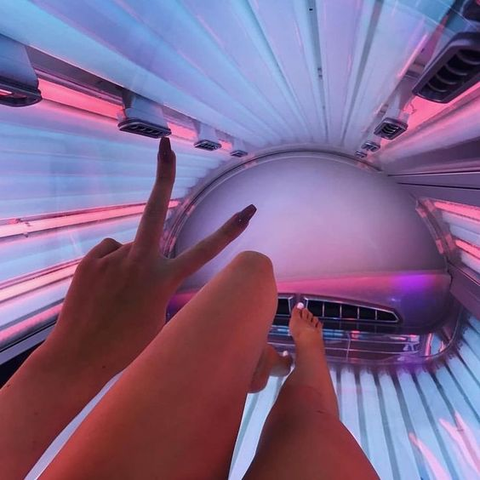
Sun Tanning Aesthetic: The Golden Glow Trend Decoded
Have you ever wondered why a sun-kissed glow seems to hold such universal appeal? From the sands of ancient Egypt to the glossy pages of modern magazines, the sun tanning aesthetic has woven itself into the fabric of beauty, health, and status across millennia. It’s more than just darker skin; it’s a complex symbol of leisure, vitality, and connection to nature that persists despite our modern understanding of its severe health risks. This deep dive explores the fascinating history, cultural nuances, scientific realities, and—most importantly—the safe, modern pathways to achieving that coveted golden hue without compromising your long-term well-being. We’ll decode why this aesthetic is so powerful and how you can participate in the trend intelligently and responsibly.
The Allure of the Glow: A Journey Through Time and Culture
The desire for tanned skin is a relatively modern phenomenon with ancient roots, a story that flips traditional associations of skin tone with class and labor.
From Pale Prestige to Sun-Kissed Leisure: A Historical Shift
For centuries, across Europe and Asia, pale skin was the ultimate status symbol. It signified that a person, especially a woman, did not have to toil outdoors under the sun for a living. Aristocrats used lead-based powders, ceruse, and even arsenic to achieve a ghostly pallor, a dangerous trend that highlighted the lengths people would go for social standing. The dramatic shift began in the 1920s. Iconic figures like Coco Chanel returned from the French Riviera with a golden tan, inadvertently launching a new ideal. This was not just a fashion change; it was a rebellion. A tan became a badge of leisure, wealth, and a carefree, adventurous lifestyle—the opposite of industrial, indoor toil. It signaled you had the time and means to vacation in sunny locales.
Global Perspectives: How Different Cultures View Tanning
The sun tanning aesthetic is not viewed uniformly worldwide. In many Western countries, a tan is still linked to health, vitality, and attractiveness, particularly during summer months. Studies consistently show that people with a light to moderate tan are often perceived as more attractive, healthier, and more socially accepted than those with very pale skin or, ironically, those with visibly darker natural skin tones in some contexts. Conversely, in many parts of East Asia, Southeast Asia, and Africa, skin lightening remains a dominant and lucrative beauty market. Here, pale skin is historically associated with nobility, purity, and being free from field labor. This creates a stark global dichotomy where the same melanin level can be idealized in one region and rejected in another. Understanding this cultural context is crucial to recognizing that beauty standards are social constructs, not absolute truths.
The Science of Sun-Kissed: What’s Actually Happening to Your Skin?
To truly understand the aesthetic, we must separate the desire from the danger by looking at the biology.
Melanin: Your Skin’s Natural Sunscreen
When your skin is exposed to ultraviolet (UV) radiation from the sun, your body launches a defense mechanism. Specialized cells called melanocytes produce more melanin, the pigment that gives skin its color. This melanin absorbs UV radiation and dissipates it as heat, attempting to protect your skin cells’ DNA from damage. The immediate reddening or "sunburn" is a sign of injury, while the delayed tan that appears days later is this melanin production kicking into overdrive. It’s literally your skin’s scar tissue responding to trauma. The "glow" people admire is the visual result of this protective, but damaged, response.
The Critical Difference: UVA vs. UVB Rays
Not all UV rays are equal, and understanding this is key to safe sun practices.
- UVB Rays are the primary cause of sunburn. They damage the outermost layers of skin and are a major contributor to skin cancer. They are strongest in summer and during midday.
- UVA Rays penetrate deeper into the skin’s dermis. They are responsible for premature aging (wrinkles, sunspots, loss of elasticity) and also contribute to skin cancer. UVA rays are constant year-round and can penetrate glass, meaning you’re exposed even on cloudy days or through car windows.
A "healthy tan" is a myth because any tan is a sign of DNA injury from UV radiation, primarily from UVA rays that cause long-term, invisible damage.
The High Price of the Golden Glow: Health Risks You Can't Ignore
The pursuit of the sun tanning aesthetic comes with a documented, severe cost that cannot be overstated.
Skin Cancer: The Alarming Statistics
Skin cancer is the most common form of cancer globally. According to the Skin Cancer Foundation, more people are diagnosed with skin cancer each year in the U.S. than all other cancers combined. The risk is significantly elevated for those who:
- Use indoor tanning beds (before age 35, risk increases by 59% for melanoma).
- Have a history of severe, blistering sunburns.
- Have numerous moles or a family history of skin cancer.
Melanoma, the deadliest form of skin cancer, is now one of the most common cancers among young adults. The link between cumulative UV exposure and skin cancer is direct, undeniable, and backed by decades of research from organizations like the World Health Organization (WHO), which classifies all UV radiation as a Group 1 carcinogen.
Premature Aging: The Cosmetic Consequence
Beyond cancer, UV radiation is the number one cause of premature skin aging, a process called photoaging. This leads to:
- Deep wrinkles and leathery skin texture.
- Persistent hyperpigmentation (sun spots, melasma).
- Loss of skin firmness and elasticity due to collagen breakdown.
- Spider veins and a dull complexion.
Ironically, the very aesthetic many seek—a bronzed, smooth look—is destroyed by the method used to achieve it. The cumulative damage is often not fully visible until years later, making it a silent, long-term beauty sabotager.
Safe Pathways to the Sun-Kissed Look: Modern Alternatives
Thankfully, you can achieve the sun tanning aesthetic without ever exposing your skin to harmful UV radiation. The beauty industry has advanced far beyond the orange, streaky self-tanners of the past.
The Art of Self-Tanning: From Drugstore to Luxury
Self-tanning products use a colorless sugar called dihydroxyacetone (DHA) that reacts with amino acids in the dead layer of your skin, creating a temporary brown pigment. The key to a natural look is in the application.
- Exfoliate First: A smooth, even surface is non-negotiable. Pay special attention to elbows, knees, and ankles.
- Moisturize Dry Areas: Apply a light moisturizer to these spots to prevent product buildup.
- Use a Tanning Mitt: This prevents streaks and stains on your hands.
- Apply in Circular Motions: Work the product in thoroughly and evenly.
- Let It Dry Completely: Wait at least 10-15 minutes before dressing.
Product Types: Mousses and gels are great for beginners as they dry quickly and show development. Lotions and oils offer more hydration. For the face, dedicated face tanners or drops that mix with moisturizer provide a subtle, buildable glow.
Bronzers and Sunless Tanning Sprays: Instant Gratification
For a temporary, wash-off effect, bronzers are your best friend.
- Powder Bronzers: Perfect for adding definition and a matte or shimmer finish. Use a fluffy brush for a diffused look.
- Cream and Liquid Bronzers: Blend seamlessly for a dewy, skin-like finish. Apply with fingers or a damp sponge.
- Spray Tan: Professional spray tans offer a full-body, even application that lasts 5-7 days. They are ideal for special events or if you struggle with at-home application.
The Non-Negotiable Foundation: Daily Sun Protection
This is the most critical part of any sun tanning aesthetic routine. If you are using self-tanner or bronzer, you are protecting your natural skin tone and preventing future damage.
- Broad-Spectrum SPF 30 or Higher: This protects against both UVA and UVB rays.
- Apply Every Morning, Rain or Shine: UVA rays penetrate clouds and glass.
- Reapply Every 2 Hours: If you're outdoors, sweating, or swimming.
- Use Enough: Most people apply only 25-50% of the recommended amount. For your face and neck alone, you need about 1/4 teaspoon.
Think of sunscreen not as an anti-tan product, but as the essential primer that allows you to enjoy a faux glow while preserving your skin's health and youthfulness for decades to come.
Cultivating the "Sun-Kissed" Vibe Beyond Color: The Holistic Aesthetic
The sun tanning aesthetic is often less about deep pigment and more about a specific look and feeling—radiant, healthy, and vibrant. You can cultivate this without a single UV ray.
The Glow from Within: Skincare for Radiance
A truly luminous complexion starts with healthy skin.
- Hydration is Key: Drink ample water and use hydrating serums (with hyaluronic acid) and moisturizers. Plump, hydrated skin reflects light better.
- Exfoliate Regularly: 1-3 times per week with a chemical exfoliant (like glycolic or lactic acid) to remove dead skin cells, revealing the fresh, bright skin underneath.
- Vitamin C Serum: A potent antioxidant that brightens skin, protects from environmental damage, and boosts collagen.
- Facial Massage: Using a gua sha stone or jade roller with your moisturizer or oil improves circulation, giving a temporary flushed, healthy appearance.
Lifestyle and Styling for the "Golden Hour" Look
- Hair Care: Sun, salt, and chlorine can damage hair. Use UV protection sprays for hair and deep conditioning treatments to keep your locks shiny and healthy, complementing your skin.
- Wardrobe Choices: Earthy tones (terracotta, olive, mustard), warm whites, and ocean-inspired blues and greens evoke a sun-drenched, natural palette. White clothing can make a faux tan appear brighter.
- The "Just-Back-From-Vacation" Hair: Beach waves, tousled texture, and even subtle highlights (balayage) mimic the natural lightening effects of the sun.
- Fragrance: Choose scents with notes of coconut, vanilla, salt air, or tropical flowers to complete the sensory experience of the sun-kissed aesthetic.
Maintaining Your Safe Glow: A Week-by-Week Guide
Achieving a faux tan is one thing; making it last and look good is another. Here’s a simple maintenance plan.
Pre-Tan Prep (Day Before)
- Shower and Exfoliate: Focus on dry areas. Use a gentle scrub or an exfoliating mitt.
- Moisturize Lightly: Apply a fast-absorbing, oil-free moisturizer. Avoid heavy creams that can block the tanner.
- Remove Body Hair: Shave or wax at least 12 hours before application to prevent streaks.
Application Day
- Moisturize Again: Lightly moisturize elbows, knees, ankles, and wrists.
- Apply Tanner: Using a mitt, apply in long, sweeping motions. Start from your legs and work upward.
- Wait and Rinse: Follow product instructions for development time (usually 4-8 hours). Rinse with lukewarm water only—no soap for the first 24 hours.
Daily & Weekly Maintenance
- Moisturize Daily: This is the #1 rule for prolonging your tan. Use a daily moisturizer, possibly one with a slight self-tanner in it for a gradual fade.
- Short, Cool Showers: Hot water and harsh soaps strip the tan faster.
- Pat Dry, Don't Rub: After showering, gently pat your skin with a towel.
- Exfoliate Gently Mid-Week: A light scrub will help the tan fade evenly and prevent patchiness.
- Reapply as Needed: For a consistent look, plan to reapply your full self-tanner every 5-7 days.
Addressing Common Questions: Your Tanning Aesthetic Queries Answered
Q: Can I get a "base tan" from a tanning bed to prevent sunburn?
A: No. A tan from a tanning bed provides, at best, an SPF of about 3-4, which is far below the recommended minimum of 30. It causes significant DNA damage and dramatically increases your risk of melanoma and other skin cancers. There is no such thing as a safe tanning bed.
Q: Will using sunscreen prevent me from getting any color at all?
A: A broad-spectrum SPF 30+ will significantly reduce your ability to tan because it blocks the majority of UVB rays that cause burning and stimulate melanin production. However, you may still develop a slight, gradual color from UVA exposure, which is still damaging. Your goal with sunscreen should be protection, not pigmentation.
Q: My self-tan always turns orange. Why?
A: Orange tones usually come from:
- Applying too much product.
- Not exfoliating properly beforehand.
- Using a product with too high a DHA concentration for your skin tone.
- Letting it develop for too long.
Solution: Exfoliate meticulously, use a mitt, choose a product formulated for your skin tone (many brands have "light," "medium," "dark" options), and rinse off at the lower end of the recommended development time.
Q: How can I make my self-tan look more "natural" and less like makeup?
A: Focus on a gradual build-up. Apply a lighter layer and let it develop fully before deciding if you need a second coat. Pay special attention to blending at joints (wrists, ankles). Use a bronzing powder or butter to add dimension and warmth on top of the self-tanner, which helps it look more like a real, sun-drenched tan with highlights and shadows.
Conclusion: Redefining Radiance for the Modern Age
The sun tanning aesthetic is a powerful, enduring symbol that taps into deep-seated associations with health, leisure, and beauty. Its history is a fascinating mirror to societal values, shifting from a mark of the lower classes to a sign of the privileged. However, the modern era demands we reconcile this desire with irrefutable science. The cost of a UV-induced tan—accelerated aging and a drastically increased risk of skin cancer—is simply too high.
The good news is that we now have the knowledge and the tools to have it all. We can achieve a stunning, sun-kissed glow that looks vibrant, healthy, and natural using sophisticated self-tanning products, strategic bronzing, and impeccable skincare. This approach allows us to decouple the aesthetic from the injury. We can enjoy the visual narrative of a golden tan—the radiance, the warmth, the vitality—while actively protecting our skin’s long-term health and youth. True beauty in the modern age is an informed choice. It’s about cultivating a glow that comes from confidence, smart habits, and the intelligent use of beauty technology, not from silent, cumulative damage under the sun. Choose your glow wisely; your future skin will thank you for it.