Skin Care Products Decoded: Your Ultimate Guide To Building A Routine That Actually Works
Are you standing in the beauty aisle, surrounded by hundreds of skin care products, feeling utterly overwhelmed? You're not alone. The global skincare market is projected to exceed $180 billion by 2027, yet a staggering number of consumers admit they don't know how to choose products that truly work for their unique skin. The promise of radiant, healthy skin is everywhere, but the path to getting there is often clouded by marketing hype, confusing ingredient lists, and one-size-fits-all advice. This guide cuts through the noise. We will move beyond trends and transform you from a confused shopper into a confident, informed skincare connoisseur. By the end, you'll understand exactly what your skin needs, how to decode product labels, and how to assemble a personalized routine that delivers real results, not just empty promises.
The Foundation: Knowing Your Skin Before Buying a Single Product
The single biggest mistake people make is buying products based on what works for a friend, a celebrity, or a viral trend. Your skin is as individual as your fingerprint. Understanding your specific skin type and its current condition is the non-negotiable first step to any effective skincare regimen. Using the wrong products can exacerbate issues like oiliness, dryness, or sensitivity, leading to frustration and wasted money.
The Five Skin Types Explained
Dermatologists primarily categorize skin into five types. Identifying yours is crucial.
- Normal Skin: Balanced, no excessive oil or dryness, few imperfections, and small pores. It’s the least common type but requires maintenance to stay balanced.
- Oily Skin: Characterized by enlarged pores, a shiny or greasy appearance, and a propensity for acne and blackheads. This is due to overactive sebaceous glands producing excess sebum.
- Dry Skin: Feels tight, may have rough patches, flaking, or redness. It lacks sufficient lipids (oils) to retain moisture and protect against irritants.
- Combination Skin: The most common type. Features a mix of oily (typically the T-zone: forehead, nose, chin) and dry/normal areas (cheeks). Requires a balanced approach.
- Sensitive Skin: Easily irritated, often feels stinging, burning, or itching after product use. It may be prone to redness, rashes, or reactions. This is a condition rather than a type and can accompany any of the above.
Beyond type, assess your skin's current state. Is it dehydrated (lacking water, feeling tight)? Is your skin barrier compromised (red, reactive, stinging)? Are you dealing with hyperpigmentation, fine lines, or active acne? Your answers dictate your immediate product needs. For instance, someone with oily, acne-prone skin needs different actives than someone with dry, mature skin seeking anti-aging benefits.
Decoding the Label: Your Guide to Skincare Ingredients That Matter
Once you know your skin, you must learn to read the language of skin care products: ingredients. This is where empowerment truly begins. You don't need a chemistry degree, but you need to recognize the powerhouse ingredients and the potential irritants.
The "Active" Squad: Targeted Treatment Ingredients
These are the ingredients proven to address specific concerns like acne, hyperpigmentation, and aging.
- Vitamin C (L-Ascorbic Acid): A potent antioxidant that brightens dark spots, protects against free radical damage from UV and pollution, and boosts collagen. Look for concentrations between 10-20% in stable, airless packaging.
- Retinoids (Retinol, Retinaldehyde, Prescription Tretinoin): The gold standard for anti-aging and acne. They speed up cell turnover, stimulate collagen, and unclog pores. Start low and slow—begin with a 0.1-0.3% retinol concentration 1-2 nights a week to build tolerance.
- Alpha Hydroxy Acids (AHAs - Glycolic, Lactic): Water-soluble acids that exfoliate the skin's surface. Perfect for improving texture, fading sun spots, and treating dry, dull skin.
- Beta Hydroxy Acid (BHA - Salicylic Acid): Oil-soluble, making it ideal for penetrating pores to exfoliate from within. It’s the go-to for oily, acne-prone, and combination skin.
- Niacinamide (Vitamin B3): A versatile multitasker. It regulates oil production, minimizes pore appearance, strengthens the skin barrier, and reduces redness and hyperpigmentation. It plays well with almost every other ingredient.
The Support System: Base & Hydrating Ingredients
These form the bulk of your moisturizers, serums, and cleansers, providing hydration and support.
- Hyaluronic Acid: A hydration magnet that holds 1,000x its weight in water. It plumps and hydrates all skin types. Crucially, it needs to be applied to damp skin or sealed in with a moisturizer to be effective.
- Ceramides: Lipids naturally found in the skin barrier. Products with ceramides (like those from CeraVe or Cetaphil) are essential for repairing and maintaining a strong, healthy barrier, especially for dry and sensitive skin.
- Peptides: Chains of amino acids that signal the skin to produce more collagen. They offer anti-aging benefits with typically less irritation than retinoids.
- Squalane: A stable, non-comedogenic lipid that mimics the skin's natural oils. It's an excellent, lightweight moisturizer for all skin types, including acne-prone.
Always cross-reference the first five ingredients on the INCI (International Nomenclature of Cosmetic Ingredients) list, as they make up the bulk of the formula. Be mindful of potential irritants like high concentrations of denatured alcohol, strong fragrances, or essential oils if you have sensitive skin.
Building Your Arsenal: The Essential Skincare Routine Framework
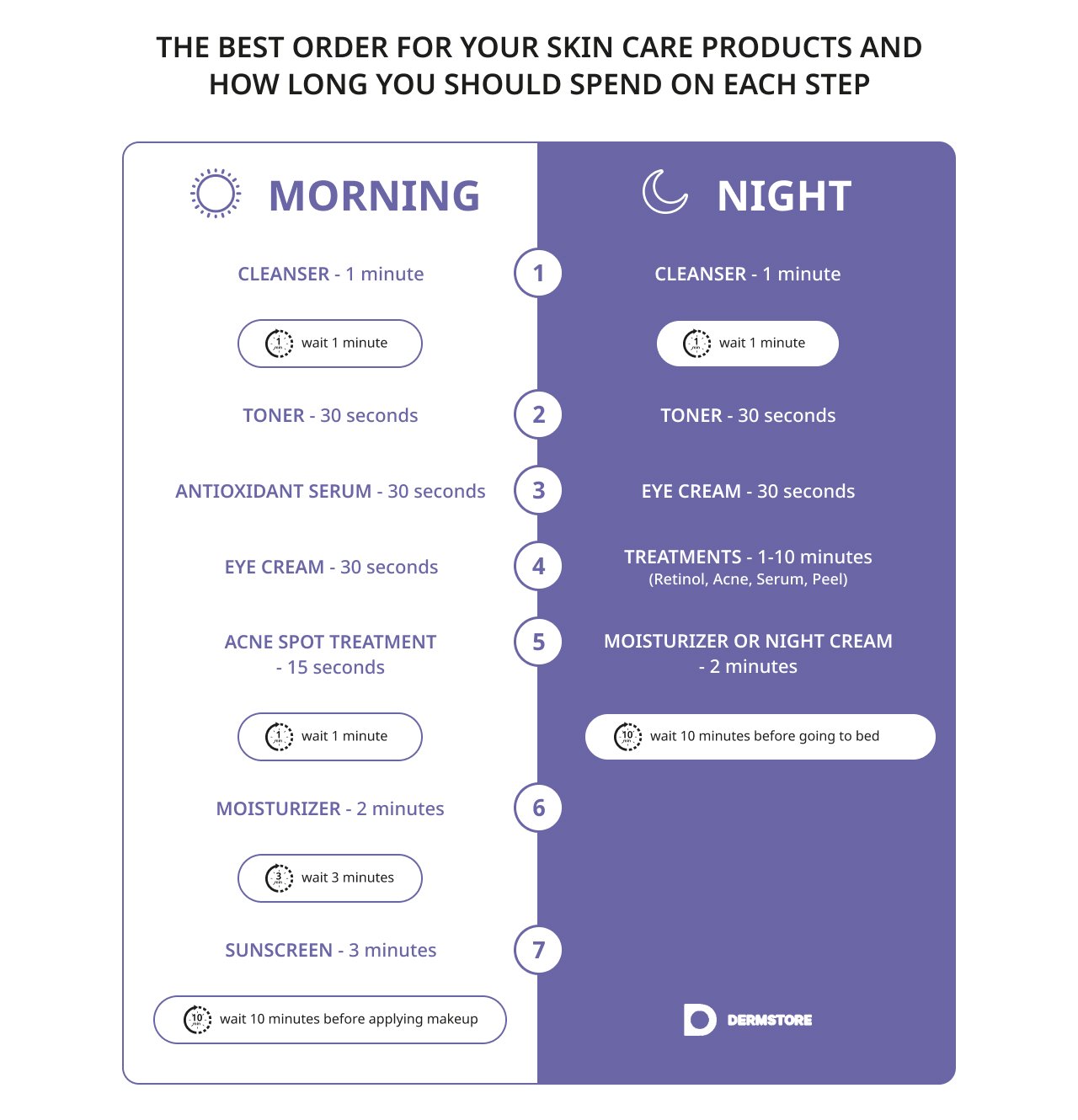
With your skin type and key ingredients in mind, you can now build a routine. A basic, effective routine has four non-negotiable pillars: Cleanse, Treat, Moisturize, Protect. The order and specific products are where personalization comes in.
The Morning (AM) Routine: Defense & Hydration
- Cleanser: A gentle, hydrating cleanser to remove any overnight sweat or oil without stripping the skin. Cream or gel cleansers work well.
- Antioxidant Serum (Treatment): This is your morning defense. A Vitamin C serum protects against environmental aggressors (pollution, UV) and boosts the efficacy of your sunscreen.
- Moisturizer: Choose a moisturizer suited to your skin type—gel for oily, cream for dry, lightweight lotion for combination.
- Sunscreen (The Most Important Step): Broad-spectrum SPF 30 or higher, every single day, rain or shine. No skincare product can reverse damage done by unprotected UV exposure. Mineral (zinc oxide, titanium dioxide) sunscreens are better for sensitive skin, while chemical sunscreens can be more elegant for daily wear.
The Evening (PM) Routine: Repair & Renew
- Double Cleanse (if wearing makeup/sunscreen): Start with an oil-based cleanser or micellar water to dissolve oil-based products, followed by your regular water-based cleanser.
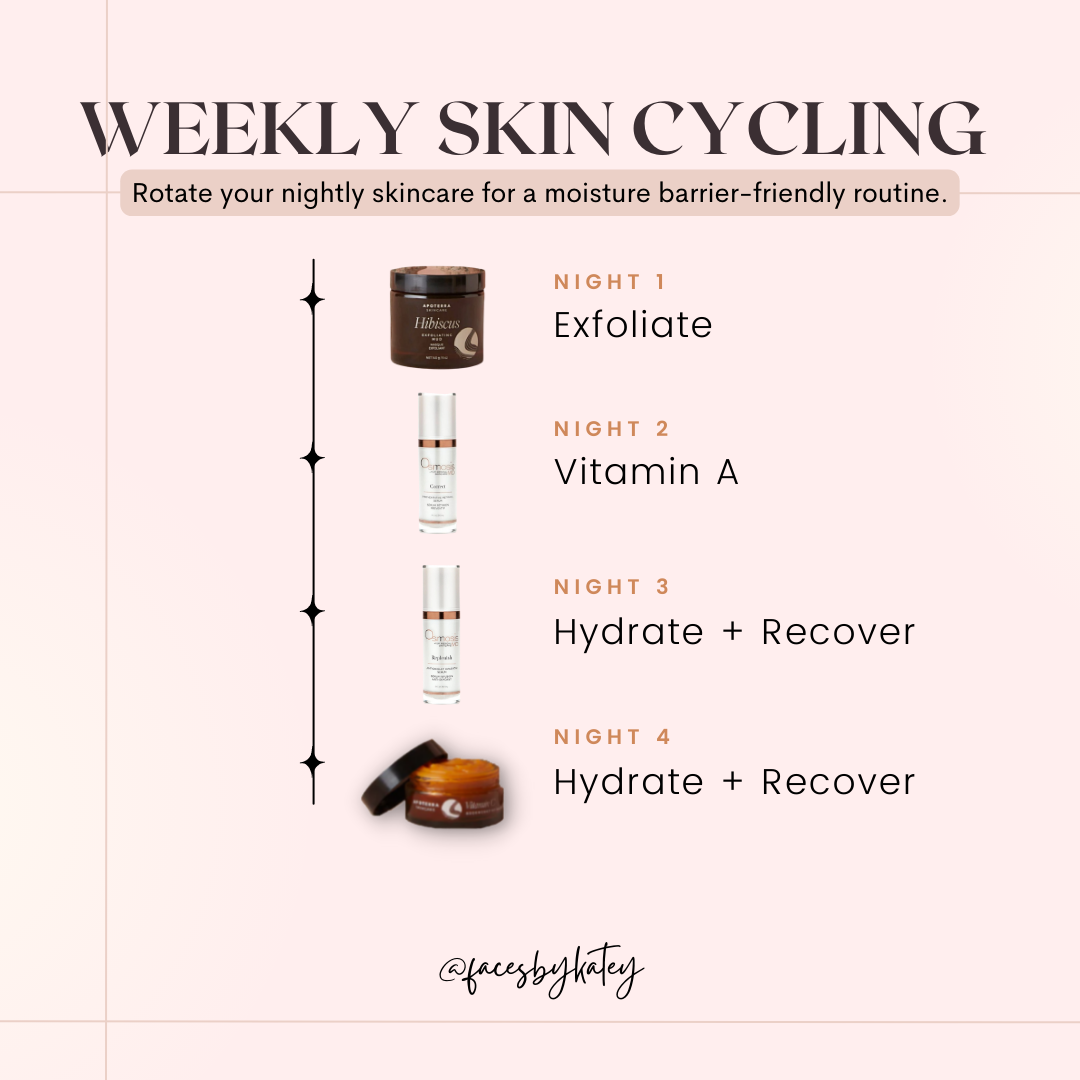
- Treatment Serums: This is your active time. Use retinoids, AHAs/BHAs, or niacinamide here. Never mix potent actives like retinoids and strong AHAs/BHAs on the same night unless you have very experienced, tolerant skin. Alternate nights.
- Moisturizer/Overnight Mask: Use a richer moisturizer or a treatment mask if needed. You can also use a "slugging" technique (applying a thin layer of occlusive like petroleum jelly) 1-2 times a week to seal in moisture for very dry or compromised skin.
Navigating the Aisle: A Category-by-Category Product Breakdown
Let’s demystify the vast world of skin care products you’ll encounter.
Cleansers: More Than Just Washing Your Face
- Gel Cleansers: Thick, soapy texture. Best for oily and acne-prone skin. Can be stripping if harsh.
- Cream/Milky Cleansers: Hydrating, non-foaming. Ideal for dry, sensitive, and mature skin.
- Oil-Based Cleansers: Dissolve makeup and sunscreen. The first step of double cleansing. Suits all skin types if non-comedogenic.
- Exfoliating Cleansers: Contain physical (beads) or chemical (low % AHA/BHA) exfoliants. Use 1-2 times a week max, not daily.
Moisturizers: Hydration vs. Occlusion
- Gels/Gel-Creams: Water-based, lightweight, often oil-free. For oily and acne-prone skin.
- Lotions: Thinner than creams, a good middle ground for normal and combination skin.
- Creams: Rich, often oil-based. For dry, very dry, or mature skin.
- Ointments: The heaviest, 100% occlusive (like petroleum jelly). For extreme dryness or barrier repair, not for daily use on the face unless specified.
Serums & Treatments: The Power Players
These are concentrated formulas targeting specific concerns. Apply them after cleansing on damp skin, before moisturizer. A hyaluronic acid serum goes before moisturizer to hydrate; a retinol serum goes after cleansing on dry skin. Layer from thinnest to thickest consistency.
Sunscreens: Your Daily Armor
- Chemical: Absorbs UV rays. Often lighter, no white cast. Needs 20 minutes to activate.
- Mineral/Physical: Sits on skin, reflects UV rays. Works immediately, better for sensitive skin, can leave a white cast.
- Hybrid: Combines both filters. Aim for SPF 30-50 and broad-spectrum (UVA/UVB protection). Reapply every 2 hours if outdoors.
Skincare Myths Debunked: What Science Actually Says
Let's clear up persistent misinformation that leads us astray.
- Myth: "Natural and organic products are always better/safer."
- Fact: "Natural" doesn't equal effective or non-irritating. Poison ivy is natural. Many synthetic ingredients are rigorously tested, stable, and beneficial. Focus on ingredient efficacy, not marketing buzzwords.
- Myth: "You need to feel a tingling or burning for a product to work."
- Fact: A strong sensation often indicates irritation, not efficacy. Stinging is a sign your skin barrier is compromised. Active ingredients like retinoids and AHAs can cause mild tingling initially, but persistent burning means stop use.
- Myth: "Pores can open and close."
- Fact: Pores are not muscles. They have no ability to open or close. Steam or warm water can soften debris inside, making extraction easier, but it doesn't change the pore's size.
- Myth: "Expensive products are always more effective."
- Fact: Price does not correlate with efficacy. Many affordable drugstore brands use the same proven active ingredients as luxury brands. You are often paying for packaging, fragrance, and brand prestige. Focus on the ingredient list, not the price tag.
Smart Shopping: How to Choose the Right Products for YOU
Armed with knowledge, here’s your actionable checklist for your next purchase.
- Identify Your Primary Concern: Is it acne? Hyperpigmentation? Fine lines? Dehydration? Choose one or two primary concerns to target first. Trying to fix everything at once with too many actives will backfire.
- Scan the Ingredient List: Use resources like INCI Decoder or CosDNA to understand ingredients and their concentrations. Look for your target actives (e.g., salicylic acid for acne) high on the list.
- Check for Your Skin Type's Needs: Oily skin? Look for "oil-free," "non-comedogenic," and gel textures. Dry skin? Seek "ceramides," "shea butter," "squalane." Sensitive skin? Prioritize "fragrance-free," "hypoallergenic," and simple formulas.
- Patch Test: Always test a new product on a small area of your jawline or behind your ear for 2-3 days before applying it to your whole face. This catches potential allergic reactions.
- Introduce One Product at a Time: Wait at least one to two weeks before adding another new product. This allows you to accurately assess how your skin reacts and which product is causing any positive or negative changes.
- Listen to Your Skin: Your skin's needs change with seasons, hormones, diet, and stress. What worked in summer may not work in winter. Be prepared to adjust your routine accordingly.
Conclusion: Skincare is a Journey, Not a Destination
The world of skin care products is vast and ever-evolving, but its core principles are timeless. True skin health is built on consistency, patience, and knowledge. It’s not about accumulating the most products or chasing every new trend. It’s about understanding your skin’s unique language and responding to its needs with thoughtful, science-backed choices. Start with the fundamental routine—cleanser, moisturizer, sunscreen—and build from there. Introduce one targeted treatment at a time. Be gentle, be observant, and most importantly, be patient. Skin cell turnover takes about 28 days, so give any new product at least four to six weeks to show its true effects, barring any adverse reactions. Your skin is your body's largest organ and a powerful reflection of your overall health. Treat it with the informed care it deserves, and the results—a resilient, radiant, and healthy complexion—will be your most beautiful reward.