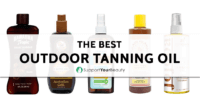
The Ultimate Guide To Finding The Best Tanning Oil For Your Skin Type
Are you tirelessly searching for the best tanning oil to unlock that sun-kissed, golden glow without the harmful side effects? You're not alone. Every summer, millions flock to beaches and poolsides, slathering on oils in pursuit of the perfect tan. But with countless bottles lining store shelves, each promising radiant results, how do you choose the one that’s truly safe and effective for your unique skin? The quest for the ideal tanning oil isn't just about aesthetics; it's a crucial decision for your skin's long-term health. This comprehensive guide cuts through the marketing hype to deliver science-backed insights, expert recommendations, and actionable tips. We’ll decode ingredient lists, match formulas to every skin type, and arm you with the knowledge to achieve a beautiful, even tan while protecting your skin from premature aging and damage. Say goodbye to guesswork and orange streaks—let's find your perfect tanning companion.
What Exactly Is a Tanning Oil and How Does It Work?
Before diving into specific products, it’s essential to understand what a tanning oil actually does. At its core, a tanning oil is a topical product designed to accelerate and enhance the skin's natural tanning process when exposed to ultraviolet (UV) radiation from the sun or tanning beds. Its primary mechanism is to increase the skin's absorption of UV rays. This is achieved through two main pathways: optical and chemical.
Optically, most tanning oils contain reflective or refractive oils like mineral oil or various plant-based oils. These create a thin, glossy film on the skin that acts like a magnifying glass, focusing and intensifying the UV rays that reach the melanocytes—the pigment-producing cells in your skin. This optical boost can make you tan faster. Chemically, many formulas incorporate tyrosine or melanin precursors. Tyrosine is an amino acid that is a building block for melanin. The theory is that providing extra tyrosine gives your skin more raw material to produce melanin quickly in response to UV exposure.
However, this accelerated process comes with a significant and often misunderstood caveat: tanning oils typically do not contain significant sun protection factor (SPF). By intensifying UV penetration, they can dramatically increase your risk of sunburn and long-term photoaging if used without a separate, broad-spectrum sunscreen. The golden rule is clear: a tanning oil is not a sunscreen. The safest approach is to apply a broad-spectrum SPF 30+ sunscreen first, let it absorb for 15 minutes, and then apply your tanning oil for the desired optical effect and skin conditioning.
Decoding the Label: Key Ingredients to Look For (and Avoid)
The efficacy and safety of a tanning oil are entirely determined by its ingredient list. Navigating these lists can be daunting, but knowing what to seek and what to shun empowers you to make smart choices.
The "Good" List: Skin-Loving and Tan-Boosting Ingredients
- Natural Carrier Oils: These form the base of high-quality tanning oils, providing hydration and a smooth application. Look for coconut oil (rich in fatty acids, excellent for dry skin), monoi oil (a blend of coconut oil and Tahitian gardenia petals, deeply moisturizing with a beautiful scent), argan oil (packed with vitamin E and antioxidants), jojoba oil (mimics skin's natural sebum, non-comedogenic), and sweet almond oil (gentle, rich in vitamin A). These oils nourish the skin, preventing the dryness that can lead to patchy, flaky tans.
- Natural Tanning Accelerators: Ingredients like carrot seed oil are famed for their high beta-carotene content, which some studies suggest may support melanin production and provide a subtle, natural-looking color. Walnut extract and riboflavin (vitamin B2) are also common natural accelerators.
- Antioxidants & Skincare Boosters: The best modern tanning oils go beyond simple tanning. They incorporate vitamin E (tocopherol) to combat free radical damage from UV exposure, aloe vera to soothe and hydrate, and green tea extract for its potent anti-inflammatory and antioxidant properties. These ingredients help mitigate some of the oxidative stress caused by sun exposure, though they in no way replace sunscreen.
The "Bad" List: Red Flags to Steer Clear Of
- Low-Quality Mineral Oils & Petrolatum: While they create that high-shine, reflective finish, these petroleum byproducts can clog pores, trap heat, and are often derived from non-renewable sources. They offer zero skincare benefits.
- Alcohol Denat. (Denatured Alcohol): Often listed high on the ingredient list, this drying agent can strip your skin of natural oils, leading to dehydration, irritation, and a faster-fading, patchy tan.
- Artificial Fragrances & Dyes: These are common irritants, especially for sensitive skin. They provide no functional benefit and can cause allergic reactions or photosensitivity (making your skin more reactive to the sun).
- Synthetic Tanning Accelerators: Some chemical accelerators, like certain forms of tyrosine, have limited evidence for efficacy and may cause irritation in some individuals.
Matching the Best Tanning Oil to Your Specific Skin Type
There is no one-size-fits-all "best tanning oil." The perfect formula for you depends entirely on your skin's unique characteristics. Using the wrong oil can lead to disaster—think burns on sensitive skin or a greasy, broken-out mess on acne-prone skin.
For Fair, Sensitive, or Burn-Prone Skin
If your skin tends to burn easily and freckles rather than tans, your priority is hydration and gentle formulation. Look for oils with a high concentration of soothing, non-irritating ingredients like aloe vera, chamomile extract, and oat extract. A base of fractionated coconut oil (a lighter, less comedogenic version) or squalane is ideal. Crucially, you must be religious about applying a high-SPF, mineral-based sunscreen underneath. Consider a tanning oil with a very low, added SPF (like SPF 4 or 6) only as an extra layer of caution, but never as your primary protection. A great option is a transparent mineral oil-free gel with a slight sheen.
For Normal to Combination Skin
You have the most flexibility! You can enjoy the benefits of both natural tanning accelerators and rich moisturizers. Look for balanced blends like monoi oil or formulas combining argan and jojoba oils. These provide excellent glide, deep hydration without heaviness, and a beautiful, natural-looking glow. You can also safely explore oils with carrot seed oil for a moderate boost in tan development. The focus should still be on clean, non-comedogenic ingredients to prevent breakouts in the T-zone.
For Dry, Mature, or Dehydrated Skin
Hydration is your absolute top priority. Dry skin will not tan evenly; it will flake and look dull. Seek out rich, emollient oils like pure coconut oil, shea butter-infused oils, or marula oil. These create a barrier that locks in moisture, preventing the parched look. Ingredients like vitamin E, hyaluronic acid, and ceramides are fantastic additions that plump and nourish, leading to a smoother, more luminous, and longer-lasting tan. Avoid any formula with alcohol.
For Oily or Acne-Prone Skin
The word "oil" can be terrifying for this skin type, but the right non-comedogenic oils can actually help balance sebum production. Your mission is to find lightweight, fast-absorbing, and completely non-pore-clogging formulas. Jojoba oil is your best friend, as it closely mimics skin's natural oil. Squalane (derived from olives or sugarcane) is another superstar—incredibly light and non-acnegenic. Grapeseed oil is a thin, astringent oil that can help. Absolutely avoid heavy coconut oil or any product with coconut derivatives high on the list. Look for labels that explicitly say "non-comedogenic" or "oil-free" (meaning free of pore-clogging oils, not necessarily all oils).
The SPF Question: Why You Should Never Rely on Tanning Oil for Sun Protection
This cannot be stressed enough: the vast majority of tanning oils have little to no SPF, and those that do (often SPF 2-8) provide negligible protection. Using a tanning oil as your sole form of sun defense is a direct ticket to severe sunburn, DNA damage, and dramatically increased skin cancer risk. The "tan" you get from burning is actually skin damage—your skin producing melanin as a last-ditch defense mechanism.
The correct, safe protocol is a two-step system:
- Apply a dedicated, broad-spectrum sunscreen with at least SPF 30. Broad-spectrum means it protects against both burning UVB rays and aging UVA rays. Mineral (zinc oxide/titanium dioxide) sunscreens are often better for sensitive skin. Apply 15-20 minutes before sun exposure and reapply every two hours, and immediately after swimming or sweating.
- Apply your chosen tanning oil over the fully absorbed sunscreen. This layer will provide the optical enhancement and skin conditioning you want without compromising your safety. Think of the sunscreen as your essential armor and the tanning oil as the cosmetic finishing touch.
Application Mastery: How to Use Tanning Oil for an Even, Streak-Free Tan
How you apply your tanning oil is just as important as the product you choose. Poor application leads to streaks, orange palms, and a patchy finish.
- Prep is Everything: Exfoliate your entire body 24 hours before sun exposure. Use a gentle body scrub or a loofah to remove dead skin cells. This creates a smooth canvas for an even tan and prevents the oil from clinging to rough patches, which can cause dark spots. Moisturize dry areas like elbows, knees, and ankles separately with a fragrance-free lotion; these areas tend to absorb more product and darken excessively.
- The Right Amount: More is not better. Pour a generous amount into your palms—about a shot glass full for your whole body. Rub your hands together to warm and emulsify the oil.
- Technique Matters: Apply in long, smooth, overlapping strokes rather than small, circular motions. Start from your legs and work your way up, or from your torso outward. Be meticulous but not frantic. Pay special attention to often-missed spots: the back of your knees, the sides of your feet, your ears, and the back of your neck. For your back, ask a partner for help or use a lotion applicator mitt.
- Avoid Over-Application: If you feel a heavy, greasy film, you've used too much. Wipe off excess with a towel. A light, even sheen is the goal.
- Reapplication Strategy: Reapply the tanning oil every 1-2 hours, but always over your sunscreen. If you're swimming, towel off gently and reapply both sunscreen and oil. Remember, water-resistant claims for oils are minimal.
Top Contenders: A Curated List of the Best Tanning Oils for 2024
Based on ingredient quality, skin compatibility, and user reviews, here are standout formulas across categories. Always patch test a new product on a small area of skin 24 hours before full-body use.
| Product Name | Best For | Key Ingredients | Notable Feature |
|---|---|---|---|
| Hawaiian Tropic Dark Tanning Oil | Classic, high-shine glow; normal skin | Coconut & mango seed oils, vitamins C & E | Iconic tropical scent, very affordable, strong optical effect |
| Bain de Soleil Orange Gelee | Intense, deep color; olive to dark skin tones | Carrot & walnut extracts, sunflower oil | Gel texture, no mineral oil, famous for rapid darkening |
| COOLA Organic Sunscreen Spray SPF 30 | Sensitive skin; SPF + tan boost | Organic argan & raspberry seed oils, antioxidants | Dual-function: SPF 30 protection + tan-enhancing glow, reef-safe |
| Nuxe Huile Prodigieuse® Florale | Dry/mature skin; luxury feel | Mineral oils, sunflower, almond, borage oils | Legendary dry-oil finish, shimmering gold particles, multifunctional |
| Banana Boat Deep Tanning Oil | Budget-friendly; fast results | Coconut oil, carrot extract | Very effective accelerator, widely available, classic formula |
| Tan-Luxe The Body Oil | Natural, gradual tan; all skin types | Jojoba, argan, marula oils, raspberry seed oil | No DHA: Pure oil for sun/UV tan only, clean, non-greasy |
| Cocoa Butter Formula Tanning Oil | Extremely dry skin; maximum moisture | Cocoa butter, shea butter, vitamin E | Rich, thick texture, intensely moisturizing, great for preventing peeling |
Natural vs. Synthetic: Navigating "Organic" and "Clean" Tanning Oils
The clean beauty movement has hit the tanning aisle. "Natural" and "organic" labels are appealing, but what do they really mean? A truly natural tanning oil will rely solely on cold-pressed plant oils, botanical extracts, and natural minerals. The benefits are clear: fewer potential irritants, biodegradable ingredients, and often a more luxurious, skin-nourishing feel. Brands like Rahua, Juara, and Burt's Bees offer formulas with high percentages of certified organic oils.
However, "natural" doesn't automatically mean "better for tanning." Some synthetic ingredients, like specific refractive esters, create a more consistent and powerful optical effect than natural oils alone. The synthetic vs. natural debate is less about good vs. evil and more about your skin's tolerance and your tanning goals. If you have sensitive skin, a simpler, natural formula is likely safer. If you want the most dramatic, instant sheen for a special occasion, a hybrid or synthetic formula might deliver more reliably. Always read the full ingredient list—a product can be "natural" but still contain problematic additives like fragrance or drying alcohols.
After-Sun Care: The Secret to a Longer-Lasting, Smoother Tan
Your tanning routine doesn't end when you come indoors. Post-sun skincare is non-negotiable for maintaining your glow and protecting your skin's health. The sun and tanning oils can be dehydrating.
- Shower Gently: Use a lukewarm shower and a hydrating, sulfate-free body wash. Avoid harsh scrubbing, which can slough off your top layer of tanned skin.
- Moisturize Relentlessly: This is the most critical step. Apply a rich, fragrance-free body butter or cream immediately after patting your skin dry. Look for ingredients like shea butter, cocoa butter, aloe vera, and ceramides. This replenishes lost moisture, prevents peeling, and locks in color by keeping the skin barrier supple.
- Cool Showers & Aloe: If you feel any heat or tightness, take a cool shower and apply pure aloe vera gel (from the plant or a high-purity store-bought version) to soothe.
- Hydrate from Within: Drink plenty of water. Hydrated skin holds onto tan pigment better and looks more luminous.
- Exfoliate Lightly After 3-4 Days: Once your tan has developed, gentle exfoliation with a mild scrub or chemical exfoliant (like lactic acid) will help fade it evenly and prevent patchiness as it naturally exfoliates away.
Debunking Common Tanning Oil Myths
Let's set the record straight on pervasive tanning myths.
- Myth: Tanning oil gives you a "base tan" that protects you from sunburn.FALSE. A "base tan" provides, at best, an SPF of 3-4, which is negligible. It's a sign of already damaged skin. You are not protected.
- Myth: Higher SPF in a tanning oil means you can stay out longer safely.FALSE. As stated, tanning oils with SPF are usually very low and not meant for prolonged exposure. Rely on your dedicated sunscreen.
- Myth: The darker your tan, the healthier you are.FALSE. Any change in skin color from UV exposure is a sign of DNA injury. There is no such thing as a "safe tan" from the sun or tanning beds.
- Myth: You can't get a tan on a cloudy day.FALSE. Up to 80% of UV rays penetrate clouds. You can still burn and tan on overcast days, often more dangerously because you don't feel the heat.
- Myth: Tanning oils are just for the beach.FALSE. Many modern tanning oils are formulated as dry oils—non-greasy, shimmering sprays and lotions perfect for adding a sun-kissed glow to your legs, décolletage, and arms for a night out, even without sun exposure.
Safety First: Your Skin's Health is Non-Negotiable
Ultimately, your relationship with the sun should be one of respect, not pursuit. A tan is a biological response to injury. While we can enhance and enjoy the process safely, we must never prioritize a temporary hue over permanent health.
- Never use tanning beds. They emit concentrated UVA/UVB radiation and are classified as carcinogenic.
- Seek shade during peak hours (10 a.m. to 4 p.m.).
- Wear protective clothing, wide-brimmed hats, and UV-blocking sunglasses.
- Perform regular skin self-exams and see a dermatologist annually. Look for the ABCDEs of melanoma: Asymmetry, Border irregularity, Color variation, Diameter larger than a pencil eraser, Evolving.
- Understand your risk factors: Fair skin, a history of sunburns, family history of skin cancer, and numerous moles increase your risk.
Conclusion: Finding Your Perfect Glow, Responsibly
The journey to finding the best tanning oil is a personalized one, blending science with self-care. It requires you to be an informed consumer, reading labels with a critical eye and understanding that the oil's role is purely aesthetic and conditioning—not protective. The undisputed champion of any tanning routine is a broad-spectrum sunscreen, applied generously and frequently. From there, choose an oil that respects your skin type: rich and soothing for dry skin, lightweight and non-comedogenic for acne-prone skin, and gentle for sensitive skin.
Embrace the ritual of exfoliation, master the art of even application, and commit to rigorous after-sun hydration. By following these guidelines, you can achieve that coveted, sun-kissed radiance while safeguarding your skin's future. Remember, the most beautiful tan is a healthy one. So slather on that sunscreen, choose your oil wisely, and enjoy the warmth of the sun responsibly. Your skin will thank you for years to come.
/TRIPSAVVY-9-best-tanning-oils-4157912-primary-73a7381995334908b889d7faf44cb43f.jpg)